Call Today for Your FREE Consultation
630-355-7776
650 Diehl Road, Suite 117, Naperville, IL 60563


- Home
- Attorneys
- Practice Areas
- Testimonials
- Articles
- Stages of Divorce
- 10 Tips for Surviving Divorce
- Why Divorce Litigation is Sometimes Necessary
- What You Need to Know About Spousal Maintenance
- Trend toward “gender reversal” in marriage affects divorce
- Increase in boomer divorces and the issues faced by older couples
- Questions You Should Ask Your Prospective Divorce Attorney
- Working With Your Spouse to Divide Marital Debt
- Blog
- Contact Us
How Will My Retirement Assets Be Split During My Illinois Divorce?
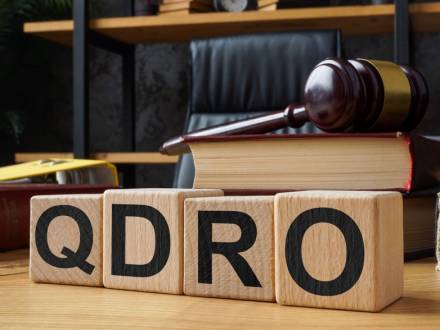
During a divorce, you and your spouse will likely have plenty of valuable property tied to the marriage. Your concerns might lie with a marital business, your home, bank accounts, or other expensive assets. However, you may not realize that your retirement account could be subject to division as well. A Naperville, Illinois divorce lawyer can help you understand your rights to any retirement funds that you or your spouse may own and what you can do to protect them.
At Law Office of Ronald L. Hendrix, P.C., our attorney has over 30 years of legal experience. In his long career, Attorney Hendrix has represented many spouses in complex property division cases. We engage in careful negotiations to help protect what clients treasure most.
Is Your Retirement Plan Considered Marital Property in Illinois?
In Illinois, marital property is defined as any property or debt that is acquired by either spouse during the marriage, with some exceptions (750 ILCS 5/503). Income earned during the marriage is often treated as marital, including payments made to a retirement fund. In many cases, a retirement plan is at least partly marital and partly separate (or "non-marital") property.
If a spouse started a retirement fund before the marriage, the portion acquired before the marriage may remain non-marital property. Retirement benefits acquired during the marriage are generally considered to be marital property.
However, a valid prenuptial agreement can change how a retirement account is divided. For example, the agreement may state that some or all of the account will remain separate property. A judge can refuse to enforce a prenuptial agreement in certain situations, such as when one spouse was pressured to sign it or important financial information was hidden.
How Are QDROs Used in 2026 Divorces?
Once you and your spouse agree on how to divide your retirement funds, or the court makes that decision, you need a legal order that explains how the money will be split. You also need to make sure the funds are actually distributed when the time comes. For many workplace retirement plans, such as a 401(k), this is done through a Qualified Domestic Relations Order, or QDRO. A QDRO tells the retirement plan how much money should go to the other spouse.
As a legal document, the QDRO must contain specific information. It also needs clear instructions on how to pay out the distributions. Otherwise, the document may not be valid. Not all retirement plans are divided with QDROs, either. Funds in an IRA, for example, are handled through a transfer incident to divorce.
When you work with Law Office of Ronald L. Hendrix, P.C., we can negotiate a distribution agreement with your spouse. We will also review the agreement to make sure it holds up under Illinois law.
Why Are QDROs Important for Dividing Retirement Assets in Illinois?
For a retirement plan that requires a QDRO, a divorce decree alone might not be enough for the plan administrator to pay benefits to the other spouse.
If retirement money is moved the wrong way, taxes or penalties can apply. In some cases, a spouse can move the money into another retirement account without paying taxes right away. A properly drafted QDRO can help make sure the transfer is handled correctly and avoid costly mistakes.
What Plans Can Be Divided With a QDRO in Illinois?
QDROs typically apply to private sector retirement plans covered under federal law. This includes 401(k) accounts, pension plans, and certain profit-sharing plans offered through private employers. Many of these plans fall under the Employee Retirement Income Security Act, so a QDRO is the proper tool for dividing them.
Illinois public sector retirement plans covered under the Illinois Pension Code work differently. These accounts are divided using a Qualified Illinois Domestic Relations Order, or QILDRO, rather than a standard QDRO. These plans usually apply to:
- Illinois teachers
- Police officers
- Firefighters
- Other state employees
A QILDRO follows separate rules for how benefits are split. Knowing which type of order applies to a given retirement account is an important part of dividing marital property correctly.
How Are Retirement Accounts Divided Between Spouses?
Illinois follows a rule called equitable distribution when dividing marital property, including marital portions of retirement accounts. Under this standard, a judge considers several factors when deciding how to divide marital property, such as:
- The length of the marriage
- Each spouse's income and future earning potential
- The age and health of each spouse
- Contributions to the marriage, like raising children or sacrificing career opportunities
Going to court is not the only path forward. Many spouses choose to negotiate a settlement instead of leaving the decision to a judge. Working with a divorce attorney during this process can help a spouse understand the true value of a retirement account and negotiate toward an agreement that reflects their needs and future plans. Negotiation can also reduce stress, save time, and give both spouses more control over the outcome.
Can Spouses Agree Not to Divide Retirement Accounts in an Illinois Divorce?
Spouses can agree to leave retirement accounts untouched during a divorce. Illinois law allows spouses to reach their own agreements about how to divide marital property, although the court must still approve the agreement. A spouse might choose to keep their full retirement account in exchange for giving up a share of other assets, such as home equity or savings.
These agreements should be carefully reviewed before signing. Retirement accounts can represent a significant portion of a couple's overall wealth, and giving one up without a clear understanding of its value can lead to regret later.
Contact Our Naperville, IL Divorce Attorney
Getting a divorce can feel overwhelming at times, especially if you are dealing with a difficult spouse or other challenging circumstances. However, it is important to consider how retirement assets will be divided.
Our DuPage County, IL asset division lawyer understands how confusing and stressful the legal side of divorce can be. We can help you understand your options and work to protect your financial interests. Contact our team at Law Office of Ronald L. Hendrix, P.C. by calling 630-355-7776 today to set up a free initial consultation.








650 Diehl Road, Suite 117, Naperville, IL 60563


Contact Our Firm
 The use of the Internet or this form for communication with the firm or any individual member of the firm does not establish an attorney-client relationship. Confidential or time-sensitive information should not be sent through this form.
I have read and understand the Disclaimer and Privacy Policy.