Call Today for Your FREE Consultation
630-355-7776
650 Diehl Road, Suite 117, Naperville, IL 60563


- Home
- Attorneys
- Practice Areas
- Testimonials
- Articles
- Stages of Divorce
- 10 Tips for Surviving Divorce
- Why Divorce Litigation is Sometimes Necessary
- What You Need to Know About Spousal Maintenance
- Trend toward “gender reversal” in marriage affects divorce
- Increase in boomer divorces and the issues faced by older couples
- Questions You Should Ask Your Prospective Divorce Attorney
- Working With Your Spouse to Divide Marital Debt
- Blog
- Contact Us
Is Living Apart the Same as Legal Separation in Illinois?
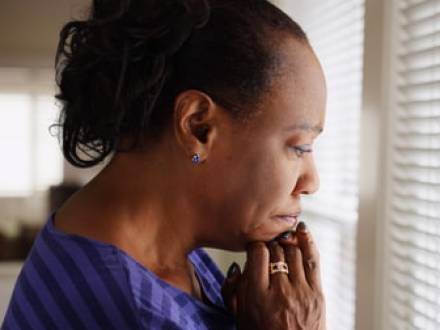 Perhaps your marriage began falling apart several years ago when your husband moved out of the house and into his own apartment while you remained in the marital home. Although your husband pays child support, spends time with the child, and helps you pay the bills, it is essential to recognize that this does not constitute a legal separation under Illinois law, and may have negative consequences.
Although you may not see much difference, living apart and legal separation are two entirely different things. Now your husband is asking for a divorce, and his list of demands is making your head spin. Because you haven’t lived together for years, you may have assumed that if he ever asked for a divorce, your life would continue in much the same way. This is a situation that requires a highly experienced Will County, IL family law attorney at the Law Office of Ronald L. Hendrix, P.C. who can help you sort out all the issues. Attorney Hendrix has over 30 years of legal experience, which has given him deep insights into handling complicated family law cases.
What Is Legal Separation?
Legal separation is often used by a couple who are considering divorce but are not quite ready to take that step. Legal separation does not end a marriage, and the spouses cannot marry someone else. The most common reasons for legal separation include:
- Neither party is absolutely sure that divorce is what they want.
- One party may rely on the health insurance they get through their spouse’s employment.
- There are religious reasons to avoid divorce.
Do You Need a Court Order to Get Legally Separated in 2026?
In Illinois, a legal separation requires a court order. You cannot become legally separated just by moving out or agreeing with your spouse. One spouse must file a petition for legal separation in the proper circuit court. The court can then enter orders about issues such as child custody, parenting time, child support, and spousal maintenance.
Under Illinois law, a court may grant a legal separation if the spouses are living separate and apart and one of them asks for it (750 ILCS 5/402). This does not mean you must already have a full agreement in place. The court can decide disputed issues if needed.
A legal separation does not end your marriage. This means you cannot remarry unless you later file for and receive a divorce. However, legal separation can give you structure and financial protection while you live apart.
What Happens During a Legal Separation?
Even though a couple is not divorcing, the court can make many of the same determinations that are made during a divorce. The allocation of parental responsibilities and parenting time can be decided. Spousal support issues can be determined, and child support paid by one parent to the other. Unless both spouses agree, the court cannot divide marital property during legal separation.
The spouses must physically be living apart from one another when filing for a legal separation in the county where they reside. At least one of the spouses must have lived in Illinois for 90 days before a judgment can be entered for legal separation. If one spouse has never lived in Illinois, the couple can still get a legal separation, but the court may not have jurisdiction over certain issues. Custody can only be decided during a legal separation if the children have resided in Illinois for at least six months.
Are There "Rules" for Legal Separation?
During a legal separation, neither party can marry another person. If one spouse dies, the other inherits in the same way they would if they were living together (this is true whether a couple is legally separated or living apart). During a legal separation, each spouse might be responsible for the other spouse’s debts incurred while they are living apart. While any of the above may feel true for a couple who is living apart without a legal separation, that would depend on the spouses’ unique dynamic and would be unofficial agreements only.
What Could Go Wrong When a Couple Is Just Living Apart but Not Legally Separated?
After several years of living apart, the situation could deteriorate rapidly without a legal separation agreement if one spouse chooses to do any of the following:
- Make changes to the unofficial agreements between the couple regarding the division of marital assets
- Make changes to the unofficial agreement regarding parental responsibilities, parenting time, and child support
- Refuse to continue paying spousal support even though there was a verbal agreement
- Attempt to make all the verbal agreements legal because one spouse has stopped following them
Living apart with no legal separation agreement brings financial risk to either or both spouses. It can lead to complex property division issues during a divorce. It can also result in much more challenging child custody and support matters in the future.
Do You Need to Live Separate and Apart to Get Divorced in Illinois?
Illinois is a no-fault divorce state. This means you do not have to prove wrongdoing. You only need to show that irreconcilable differences have led the marriage to break down completely.
You do not have to live in separate homes for a specific period before filing for divorce. In fact, many couples file for divorce while still living under the same roof. The law allows this if the marriage has broken down beyond repair.
If both spouses agree that irreconcilable differences exist, the court will usually accept that statement. If one spouse denies it, the court may require a separation period of at least six months before granting the divorce.
Living separate and apart can help show that the marriage is over. However, it is not always required before starting the divorce process in Illinois.
Contact a DuPage County, IL Divorce Lawyer
If you are considering legal separation or divorce, it can be extremely helpful to speak to a Naperville, IL family law attorney from the Law Office of Ronald L. Hendrix, P.C.. Attorney Hendrix is a court-appointed mediator who, in addition to his law degree, holds a master’s degree in guidance and counseling. Call 630-355-7776 to schedule your free consultation.










650 Diehl Road, Suite 117, Naperville, IL 60563


Contact Our Firm
 The use of the Internet or this form for communication with the firm or any individual member of the firm does not establish an attorney-client relationship. Confidential or time-sensitive information should not be sent through this form.
I have read and understand the Disclaimer and Privacy Policy.